
Essential Oils for Mkushi Zambia

Here are 12 of the most revered oils of the Bible and their historic uses…
1. Frankincense
Frankincense is the king of the oils. It was used as a primary component of the holy incense, a medicine and a currency — and of course, it was a gift from the wise men to Jesus. In fact, at the time of Jesus’ birth, both frankincense and myrrh may have been worth more than their weight in the third gift: gold.
2. Myrrh
Quoted in Scripture 156 times, uses of myrrh oil in the Bible included use as an ointment, an incense, an embalming ingredient and as a skin beauty treatment by Queen Esther in Esther 2:12. By far, myrrh’s most common usage in the Bible is as a part of holy anointing oil.
3. Cinnamon
Like myrrh, cinnamon oil was a chief ingredient in holy anointing oil and used to cleanse the air, kill mold and act as a natural medicine. In Proverbs 7:17, Solomon uses this aromatic oil in the bedroom and as a natural perfume or cologne.
4. Cedarwood
King Solomon used cedarwood in building God’s temple and Jesus was crucified on a cross made of cedarwood or cypress. It was thought to bring wisdom, was used for ritual cleansing and served as medicine in treating skin conditions and leprosy.
Cedrus atlantica
Woody and sweet with a medium to strong aroma. Light golden yellow color and has a medium consistency.
Benefits
sharpens focus and concentration (eases symptoms of ADD/ADHD)
insomnia, natural sedative (supports sleep)
relieve tension and stress
promotes hair growth (and soothes dry scalp)
reduces skin irritations (improves acne, eczema, and dermatitis)
fights fungal infections
bronchitis; supports lung function
provides cough and sinus relief
supports healthy menstruation
natural antiseptic properties
relieves arthritis
natural diuretic
repels insects
natural deodorizer

5. Spikenard
In Biblical times, “nard” was not only a very expensive perfume but also a precious ointment that was used as medicine. In John 12:3, the Bible tells how spikenard was used to anoint Jesus just days before His death and resurrection.
6. Hyssop
In the Old Testament, God commanded His people to use hyssop in the ceremonial cleansing of people and houses. Hyssop appears at Jesus’ crucifixion, when the Roman soldiers offered Jesus a drink of wine vinegar on a sponge at the end of a stalk of hyssop.
7. Cassia
An herb very similar to cinnamon, cassia oil is the fourth ingredient listed in the holy anointing oil detailed in Exodus 30:24. It may have been brought out of Egypt when the Israelites fled Pharaoh and was commonly used with myrrh and aloes to scent garments.
8. Sandalwood (Aloes)
In Scripture, sandalwood is referred to as “aloes” and is called one of the oils of joy and gladness along with frankincense, myrrh and cedarwood. Nicodemus and Joseph of Arimathea brought sandalwood (aloes) and myrrh to bury Jesus, and in today’s market, the amount of oils used would be worth an estimated $200,000.

Santalum album
Rich, deep and sweet yet is delicate, woody and floral with a medium aroma. Clear with a yellow tinge and has a medium-thick consistency.
Benefits
improves mental clarity
supports hormones
inhibits tumor growth
boosts low testosterone
reduce inflammation
bronchitis
chapped skin
depression
dry skin
laryngitis
leucorrhea (vaginal discharge)
oily skin
scars
sensitive skin
stress
stretch marks
9. Cypress
Cypress is celebrated in Scripture as a symbol of strength, security and prosperity. The Bible mentions cypress as the choice wood�for building, trading and even weaponry. In Genesis 6:14, God commanded Noah to “make yourself an ark of gopher wood,” which in modern English is in fact “cypress.”
Cupressus
Fresh, herbaceous, woody, and slightly coniferous with a medium aroma. Pale yellow color with a thin consistency.
Benefits
astringent (reduce bleeding)
promotes blood clotting (great for nose bleeds)
excessive perspiration (natural deodorizer)
helps diminish hemorrhoids
menorrhagia (heavy or prolonged menstrual bleeding)
oily skin
reduces the appearance of varicose veins and cellulite
rheumatism
helps heal wounds and infections
eases muscle pain
helps boost mood and relieves feelings of anxiety
may improve carpal tunnel syndrome
assists in relieving restless legs
contains anti-bacterial and antiseptic properties
treats swelling from sprains and strains (cramps and muscle pull)
supports healthy prostate
calms respiratory conditions (asthma)
helps with edema and fluid retention
aids detox
endometriosis remedy
10. Galbanum
Galbanum is a main ingredient of the holy incense used in the heart of the temple in Exodus 30:34. Interestingly, although galbanum itself has a somewhat foul odor, when burned with other sweet smelling oils in holy incense, it has the most beautiful scent and was thought to balance the emotions.
11. Rose of Sharon
Mentioned in the Song of Solomon, the rose of Sharon is not really a “rose” but instead similar to the hibiscus or tulip (which is also a source of saffron).
12. Calamus
Also known as “sweet cane,” . In Biblical times, calamus was used in perfumes, incense and as an ingredient in the special holy anointing oil used by the priests in the temple.
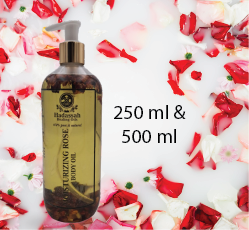
All of our products are listed on our website Hadassahhealingoils.com , you can order online and we courier to your door
See less


Comments